

Downtown Amman’s souqs are working markets in Jordan’s capital, where locals shop for produce and visitors can browse traditional crafts. Start around Souq Al-Sukar, the busy fruit and vegetable market, then explore the nearby traditional souqs and street-food stalls around the Grand Husseini Mosque.
- Location: downtown Amman, Jordan.
- The Grand Husseini Mosque was built in 1924 on the site of an older mosque.
- Amman city centre is about 28 minutes by car from Sulaf Luxury, a hotel.
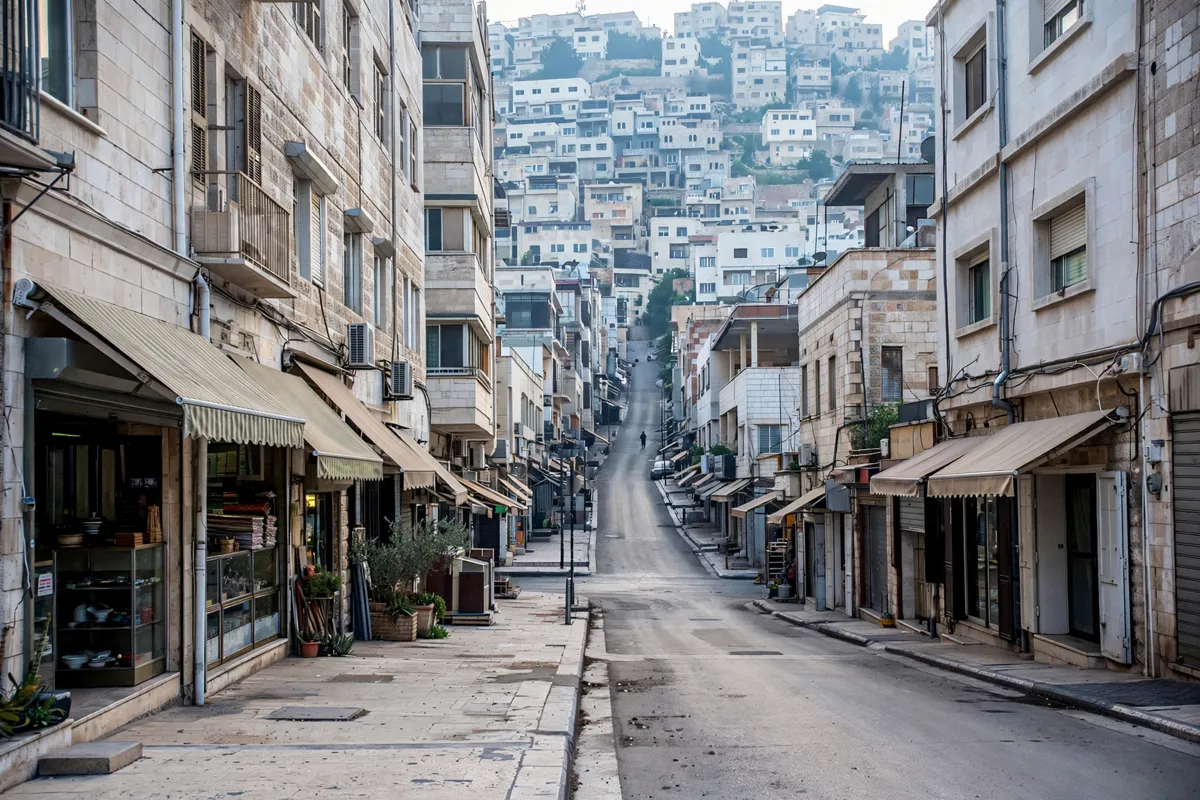
Where to find the downtown souqs
Head to downtown Amman for the souqs. Souq Al-Sukar is a busy fruit and vegetable market where locals shop for fresh produce; traditional markets nearby sell crafts and sit close to the Grand Husseini Mosque and street-food vendors. The mosque is a useful landmark when finding your way around the market area.
For a broader historic-core route, pair the markets with the one-day Amman itinerary, which focuses on the city’s historic core.
The Duke’s Diwan is another downtown stop: the building was Amman’s first post office in the 1930s, later served as a hotel, and is now a public creative space for artists and musicians.
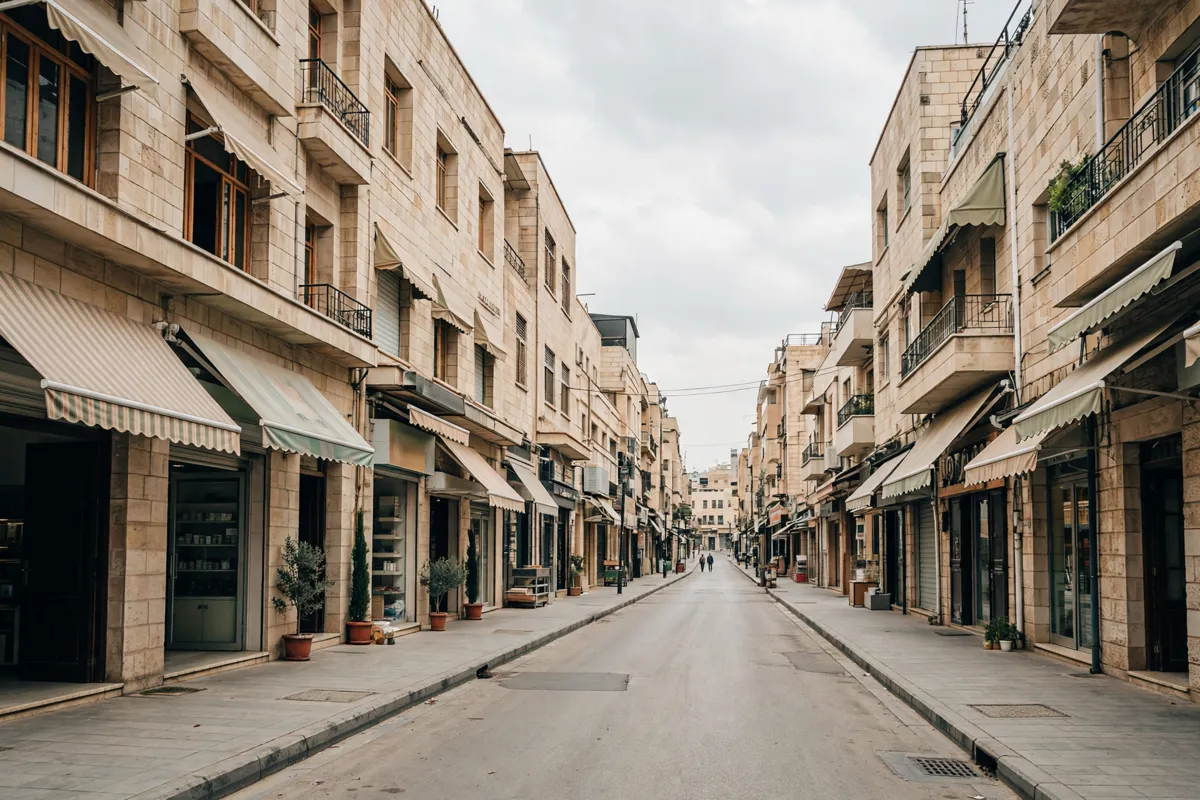
What kinds of stalls and goods to expect
Souq Al-Sukar is a good first stop if you want to see everyday market life and fresh produce. In the traditional souqs, look for weaving, embroidery, jewelry, mosaics, ceramics, pottery, sand bottles and handmade glass. Take time to browse rather than treating the markets as a single shop; the stalls offer a varied mix of local goods.
For a different market atmosphere, Souq Jara is a summer street market on Rainbow Street in Jabal Amman. It runs on Fridays from May to October, with local-goods stalls, pop-up cafés, street food and live performances by local bands and musicians.
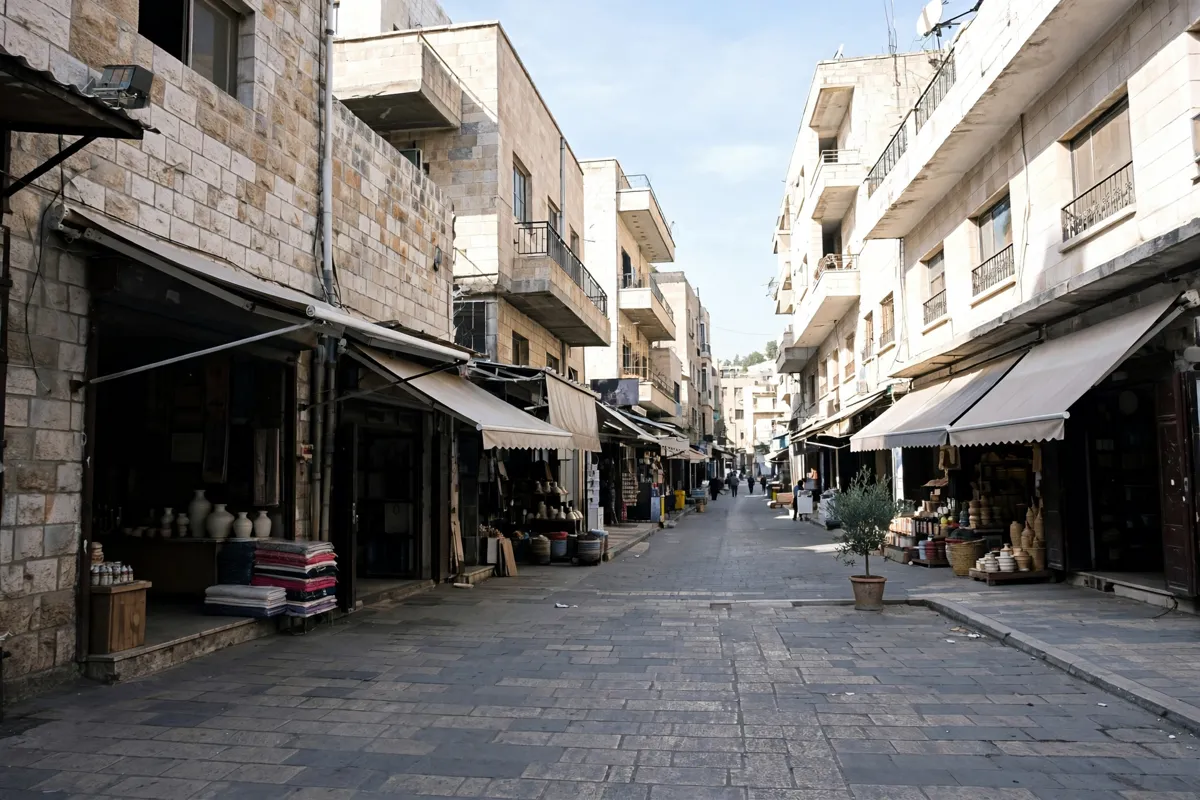
Shopping respectfully and handling payments
Bargaining is part of downtown souq shopping, so negotiate politely and agree on the price before you buy. Shopkeepers may offer visitors coffee or tea; accept if you like, and take your time browsing. Ask permission before photographing people or their shops.
At Souq Jara, expect a more event-like Friday outing, with food and performances alongside the stalls. Its seasonal schedule is May to October.
What can you combine with the downtown markets?
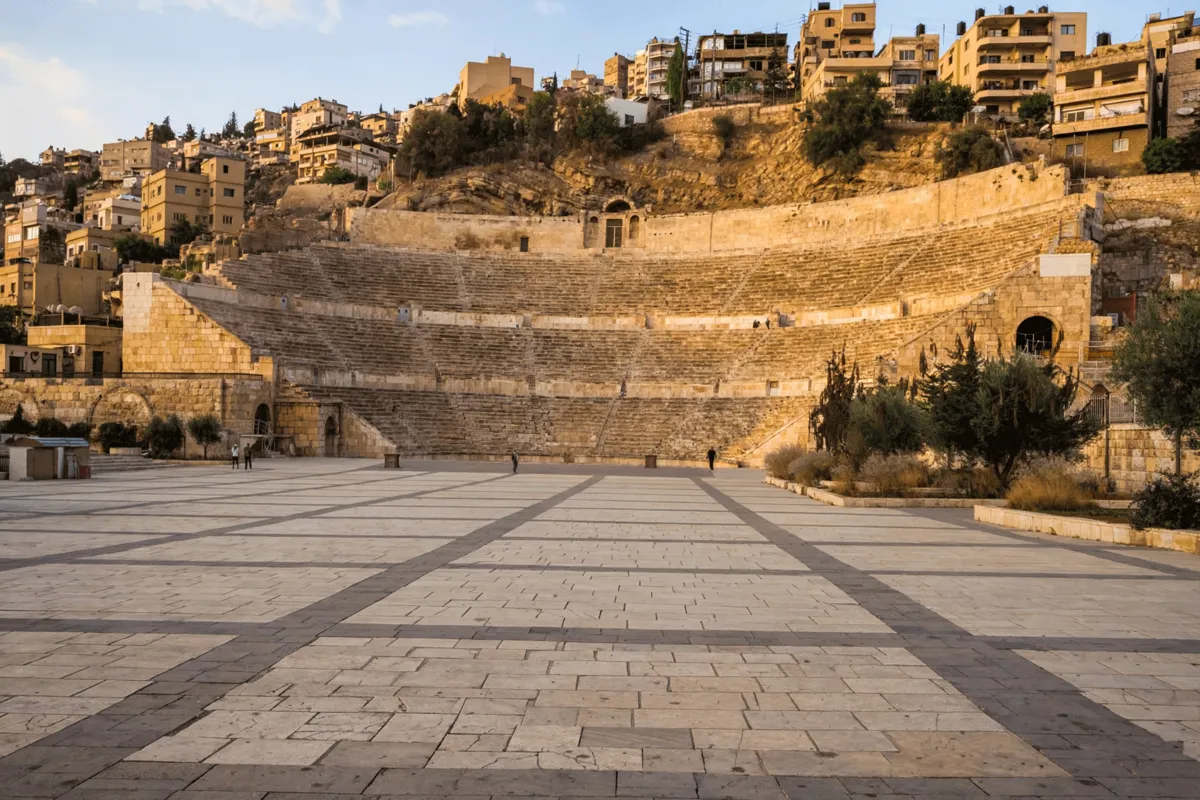
The Grand Husseini Mosque is downtown, near traditional souqs and street-food vendors, making it a natural landmark to include while exploring the market area. It was built in 1924 on the site of an older mosque. The Roman Theatre Amman guide focuses on another downtown landmark to pair with the markets.
For a quieter cultural stop, the Duke’s Diwan is now a public creative space for artists and musicians, in a building that once served as Amman’s first post office and later as a hotel.
FAQs
Where are the downtown Amman souqs?
They are in downtown Amman, Jordan. Souq Al-Sukar is the busy fruit and vegetable market; traditional souqs are near the Grand Husseini Mosque and downtown street-food vendors.
What can you buy at the Amman souqs?
Alongside fresh produce, traditional craft stalls sell weaving, embroidery, jewelry, mosaics, ceramics, pottery, sand bottles and handmade glass. Bargaining is customary, so agree on a price before buying.
Can you visit the Roman Theatre with the souqs?
Yes. The Roman Theatre is a downtown landmark, and the Grand Husseini Mosque is another nearby point of interest by the traditional souqs. You can also visit the Duke’s Diwan, a public creative space in a former post office and hotel.